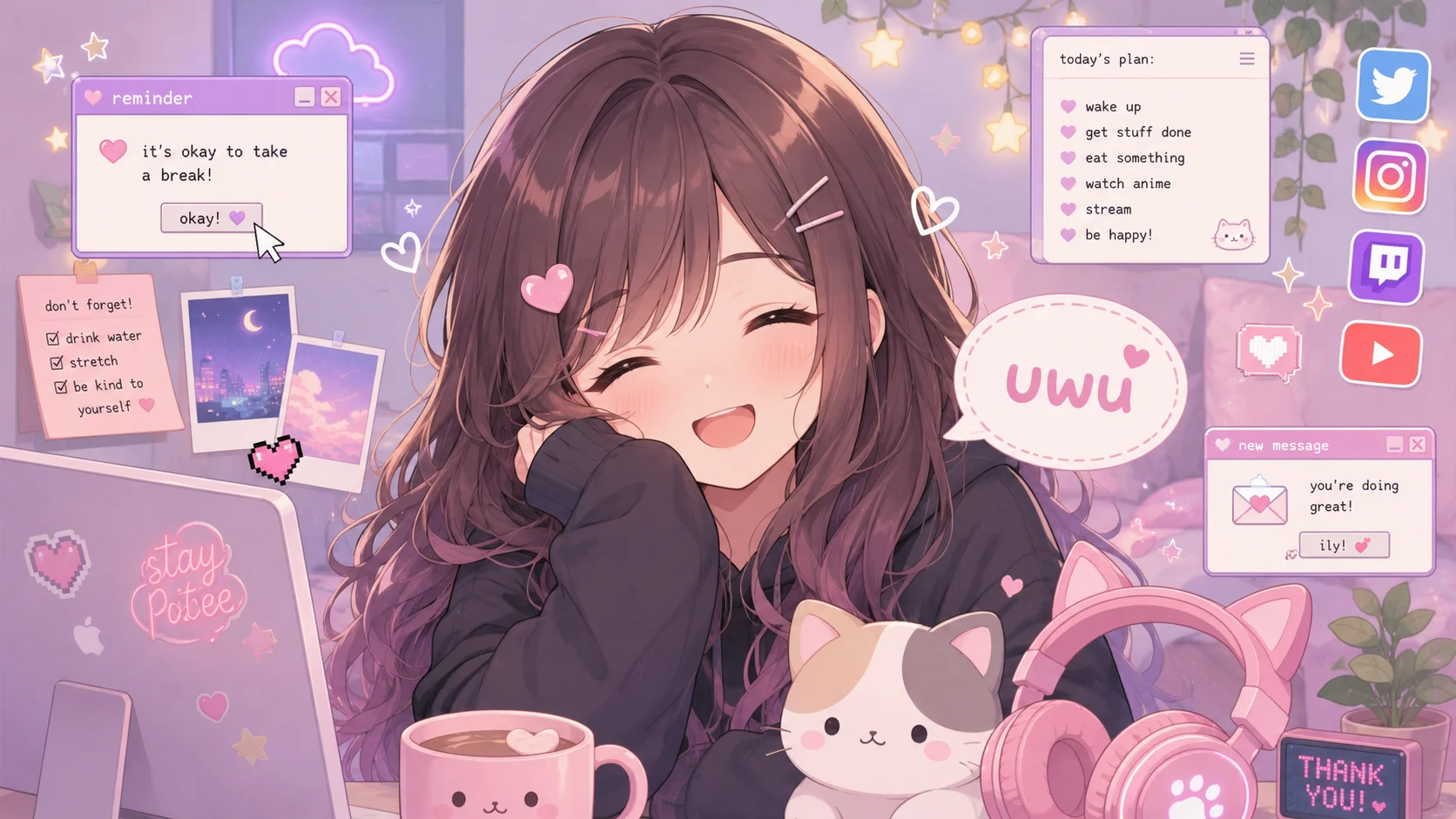
The phrase “uwu” may look simple, but it carries a surprisingly rich layer of internet symbolism. Today, people use it in texts, memes, gaming chats, and social media posts to express affection, cuteness, comfort, or playful emotion. In the United States, especially among younger internet users, “uwu” became part of online identity culture during the late 2010s and early 2020s.
Although it started as a text emoticon, “uwu” now acts like a digital symbol. It represents softness, emotional warmth, fandom culture, and sometimes ironic humor. Because online language changes fast, many people also wonder whether “uwu” still feels cute, outdated, sarcastic, or controversial in 2025 and 2026.
This article explores the history, symbolism, emotional meaning, and modern American usage of “uwu.” It also explains how the term evolved from anime-inspired internet slang into a broader cultural symbol.
Quick Answer
In the USA, “uwu” in text usually symbolizes cuteness, affection, emotional softness, or playful happiness. The expression came from anime and internet culture, where it visually represents a smiling face with closed eyes. Today, it can also carry ironic, flirtatious, or meme-based meanings depending on context.
TL;DR
• “uwu” symbolizes cuteness, warmth, and playful emotion.
• The expression grew from anime and fandom communities.
• Americans often use it jokingly or affectionately online.
• It can appear sincere, ironic, or exaggerated.
• Social media helped turn it into a cultural symbol.
• Some people now see it as nostalgic internet slang.
Overview of “uwu”
What Does “uwu” Look Like?
At first glance, “uwu” appears as three lowercase letters. However, internet users usually read it as a face. The two “u” letters resemble closed, happy eyes, while the “w” forms a tiny smiling mouth.
Because of this visual structure, “uwu” belongs to a larger family of text emoticons. Unlike emojis, emoticons use keyboard characters to create expressions.
For many Americans, “uwu” instantly signals:
• Softness and emotional warmth
• Cute or shy excitement
• Anime-inspired internet culture
• Friendly online interaction
• Playful or exaggerated sweetness
• Youth-oriented digital humor
Why It Matters in Online Communication
Digital language often replaces facial expressions and tone. “uwu” became popular because it adds emotional context to text messages.
For example, a plain sentence may sound cold online. Adding “uwu” can make it feel softer, friendlier, or more playful.
Today, people use it across:
• Discord communities
• TikTok captions
• Twitch streams
• Gaming chats
• Fanfiction spaces
• Meme culture
The Historical Origins of “uwu”
Early Internet Roots
The exact origin of “uwu” remains unclear, but most researchers trace it to anime and manga fan communities during the early 2000s. It appeared alongside other Japanese-inspired emoticons used in online chats and forums.
Unlike Western smileys such as “:-)” or “;)”, anime-style emoticons often focused on eyes instead of mouths. This design reflected Japanese visual storytelling traditions, where eyes carry strong emotional meaning.
Eventually, “uwu” spread through:
• Anime message boards
• Tumblr fandoms
• Early gaming forums
• DeviantArt communities
• Roleplay chatrooms
• Internet meme pages
Growth During the 2010s
By the mid-2010s, “uwu” exploded into mainstream American internet culture. Platforms like Twitter, TikTok, and Discord accelerated its spread.
At the same time, online identity became more expressive and aesthetic-driven. Many younger users adopted “uwu” as part of a soft, cute, emotionally open digital persona.
This era also created related expressions like:
• “owo” for surprise or curiosity
• “rawr” for playful affection
• “smol” for cuteness
• “bean” for lovable personalities
• “soft boi” aesthetic language
“uwu” as a Meme
Eventually, “uwu” became so recognizable that people started using it ironically. Instead of sincere sweetness, some users exaggerated it for comedy.
Because internet humor constantly shifts, “uwu” gained multiple layers of meaning at once:
• Genuine affection
• Satirical cuteness
• Self-aware cringe humor
• Nostalgic internet identity
• Online roleplay symbolism
What Does “uwu” Symbolize in the USA?
Emotional Softness and Vulnerability
In American online culture, “uwu” often symbolizes emotional openness. Many users employ it to appear less harsh or more approachable.
This matters because digital communication can feel emotionally distant. Symbols like “uwu” soften interactions.
Common emotional associations include:
• Comfort
• Gentleness
• Innocence
• Friendliness
• Affection
• Emotional safety
Internet Identity and Community
“uwu” also symbolizes belonging. People who use it often signal familiarity with internet culture, fandom spaces, or gaming communities.
In the USA, especially among Gen Z users, online slang became part of personal identity. Saying “uwu” may communicate:
• “I understand internet humor.”
• “I enjoy fandom culture.”
• “I’m being playful.”
• “I’m emotionally expressive online.”
Aesthetic Symbolism
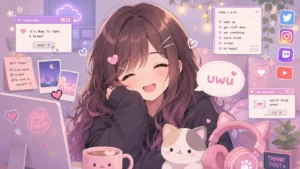
The term also connects with “soft” aesthetics popular online during the late 2010s and early 2020s.
These aesthetics emphasized:
• Pastel colors
• Cozy fashion
• Anime-inspired visuals
• Emotional openness
• Cute accessories
• Comfort-centered identity
Because of this, “uwu” became more than slang. It became a symbol of a specific internet mood.
The Psychological Meaning of “uwu”
Why People Use Cute Language Online
Psychologists studying online communication often note that people seek emotional warmth in digital spaces. Cute expressions reduce tension and encourage friendly interaction.
“uwu” works psychologically because it appears harmless and emotionally positive.
It may signal:
• Non-threatening communication
• Desire for connection
• Playful social behavior
• Emotional reassurance
• Lighthearted interaction
Escapism and Comfort
Many users also associate “uwu” culture with emotional escape. During stressful periods, soft internet aesthetics became comforting.
This trend grew strongly during:
• Pandemic lockdown years
• High social media stress periods
• Online isolation experiences
• Fandom-centered communities
As a result, “uwu” sometimes symbolizes digital comfort culture itself.
Anime and Japanese Influence
Connection to Kawaii Culture
“uwu” is strongly linked to “kawaii,” the Japanese concept of cuteness. Kawaii culture values softness, charm, innocence, and emotional warmth.
However, American internet users adapted the idea into their own digital slang culture.
Important kawaii themes include:
• Rounded, gentle aesthetics
• Childlike joy
• Emotional friendliness
• Soft visual design
• Cute communication styles
American Adaptation
In the United States, “uwu” evolved separately from its Japanese roots. Many Americans now use it without direct anime involvement.
Instead, it became part of mainstream online humor and texting culture.
This shift shows how internet symbols often change meaning as they cross cultures.
Modern Uses of “uwu” Online
Social Media Usage
Today, “uwu” appears across many digital platforms. However, its tone changes depending on context.
| Context | Meaning in the USA | Common Associations | Notes |
| TikTok captions | Playful affection | Cute humor | Often ironic |
| Gaming chats | Friendly emotion | Team bonding | Casual slang |
| Fanfiction | Emotional softness | Romance themes | Common in fandoms |
| Memes | Self-aware comedy | Internet nostalgia | Often exaggerated |
| Text messages | Warmth or teasing | Flirting or comfort | Context matters |
“uwu” in Memes
Meme culture transformed “uwu” into both sincere and sarcastic humor. Some people intentionally overuse it for comedic effect.
For example, exaggerated “uwu speak” may replace certain letters to sound overly cute.
This style became popular because it playfully mocked internet trends while still participating in them.
Also Read This: OTW Meaning in Text Explained
Tattoos and Merchandise
Although less common than traditional symbols, “uwu” occasionally appears in:
• Meme-inspired tattoos
• Anime accessories
• Gaming merchandise
• Internet-themed clothing
• Fan convention art
• Online sticker packs
For some users, it represents nostalgia for early internet culture.
Spiritual and Cross-Cultural Interpretations
Is “uwu” Spiritual?
“uwu” itself is not a religious symbol. However, some people associate it with emotional energy tied to kindness, softness, and emotional openness.
Online communities sometimes connect cute aesthetics with ideas like:
• Positive emotional vibes
• Comfort-centered living
• Gentle communication
• Safe emotional spaces
These interpretations remain cultural rather than religious.
Different Cultural Reactions
Reactions to “uwu” vary globally.
In some places, it appears:
• Cute and harmless
• Childish or immature
• Funny and ironic
• Deeply tied to anime fandom
• Nostalgic internet slang
Because internet culture moves internationally, meanings continue evolving across regions.
“uwu” and Online Identity
Gender Expression and Softness
Some users embrace “uwu” because it allows softer self-expression online. This became especially visible among younger internet communities.
The expression may symbolize:
• Emotional sensitivity
• Non-aggressive identity
• Playful vulnerability
• Rejection of “cool” internet detachment
Fandom and Belonging
Online fandoms helped normalize emotional openness. In many communities, “uwu” became shorthand for shared emotional language.
Fans often use it during:
• Character discussions
• Streaming reactions
• Fan art sharing
• Shipping conversations
• Community bonding
Misunderstandings and Controversies
Why Some People Dislike “uwu”
Not everyone views “uwu” positively. Some critics consider it overly childish, forced, or cringe-worthy.
Others dislike exaggerated “cute speech” styles connected to it.
Common criticisms include:
• Feels emotionally fake
• Overused in online spaces
• Sounds immature
• Associated with spam humor
• Linked to awkward roleplay stereotypes
Irony vs. Sincerity
One major confusion involves tone. In 2026, people often use “uwu” ironically rather than sincerely.
Because of this, readers may struggle to know whether someone is:
• Genuinely affectionate
• Joking sarcastically
• Referencing meme culture
• Mocking internet behavior
Context matters heavily.
Harmful Misuse
Although usually harmless, some online groups have used cute language to hide manipulative behavior or avoid criticism.
However, this issue reflects internet behavior more than the symbol itself. Most usage remains playful and non-threatening.
How the Meaning of “uwu” Changed Over Time
Early Meaning
Originally, “uwu” mainly symbolized genuine cuteness and happiness.
Users employed it sincerely in anime and fandom communities.
Mainstream Internet Era
Later, mainstream internet culture transformed it into a broader meme. Its meaning became more flexible and layered.
This stage added:
• Irony
• Satire
• Internet nostalgia
• Self-aware humor
Meaning in 2025–2026
Today, “uwu” exists in a mixed cultural space. Some users still use it sincerely, while others treat it as nostalgic internet slang.
Modern interpretations often depend on:
• Age group
• Online community
• Platform culture
• Humor style
• Relationship context
Why “uwu” Still Matters Today
Digital Symbols Shape Communication
Internet symbols may appear small, but they shape emotional communication. “uwu” shows how text can express personality, mood, and social identity.
In many ways, it functions like modern symbolic shorthand.
A Reflection of Internet Culture
The rise of “uwu” also reflects larger cultural trends:
• Emotional communication online
• Blending humor with sincerity
• Identity-building through language
• Global influence on American slang
Because online culture constantly evolves, symbols like “uwu” help document digital history.
FAQs
What does “uwu” mean in texting?
In texting, “uwu” usually expresses affection, happiness, softness, or playful emotion. Many Americans use it jokingly or warmly in casual chats.
Is “uwu” flirting?
Sometimes. Depending on context, “uwu” can sound teasing, affectionate, or mildly flirtatious. However, many people also use it purely as internet humor.
Is “uwu” still popular in 2026?
Yes, although its tone changed over time. Today, it often feels nostalgic, ironic, or meme-based rather than completely sincere.
Why do anime fans use “uwu”?
Anime and fandom communities helped popularize “uwu” online. Its cute emotional style connects closely with kawaii-inspired internet culture.
Is “uwu” considered cringe?
Some people think so, especially when it feels exaggerated. However, others enjoy it because of its humor, nostalgia, or emotional warmth.
What emotion does “uwu” represent?
It commonly represents happiness, affection, comfort, emotional softness, or playful friendliness.
Conclusion
Internet language changes quickly, yet some symbols leave a lasting cultural mark. “uwu” started as a simple emoticon but evolved into a recognizable symbol of cuteness, emotional warmth, fandom culture, and online identity.
In the United States, “uwu” reflects how people use digital language to express feelings that plain text often misses. Depending on context, it can feel sincere, ironic, nostalgic, playful, or even self-aware.
As online communication continues evolving, “uwu-mean-in-text” discussions will likely continue too. Even small internet expressions can reveal larger cultural shifts about emotion, identity, humor, and connection in the digital age.