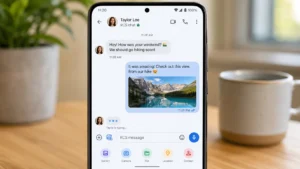
RCS has become one of the most talked-about messaging technologies in recent years. If you’ve noticed new chat features appearing in your text messages, you’ve likely encountered it already. Many people wonder what it means when a conversation is labeled as RCS and why it seems different from traditional texting.
Understanding What Does RCS Mean in Text Messages? A Complete Guide for 2026 helps explain how mobile communication continues to evolve. In the United States, RCS is increasingly viewed as the next step beyond standard SMS and MMS messaging.
Today, RCS affects how people communicate, share media, and interact across different smartphone platforms. As support expands across carriers and device manufacturers, it has become an important part of everyday digital communication.
Quick Answer
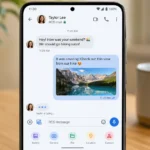
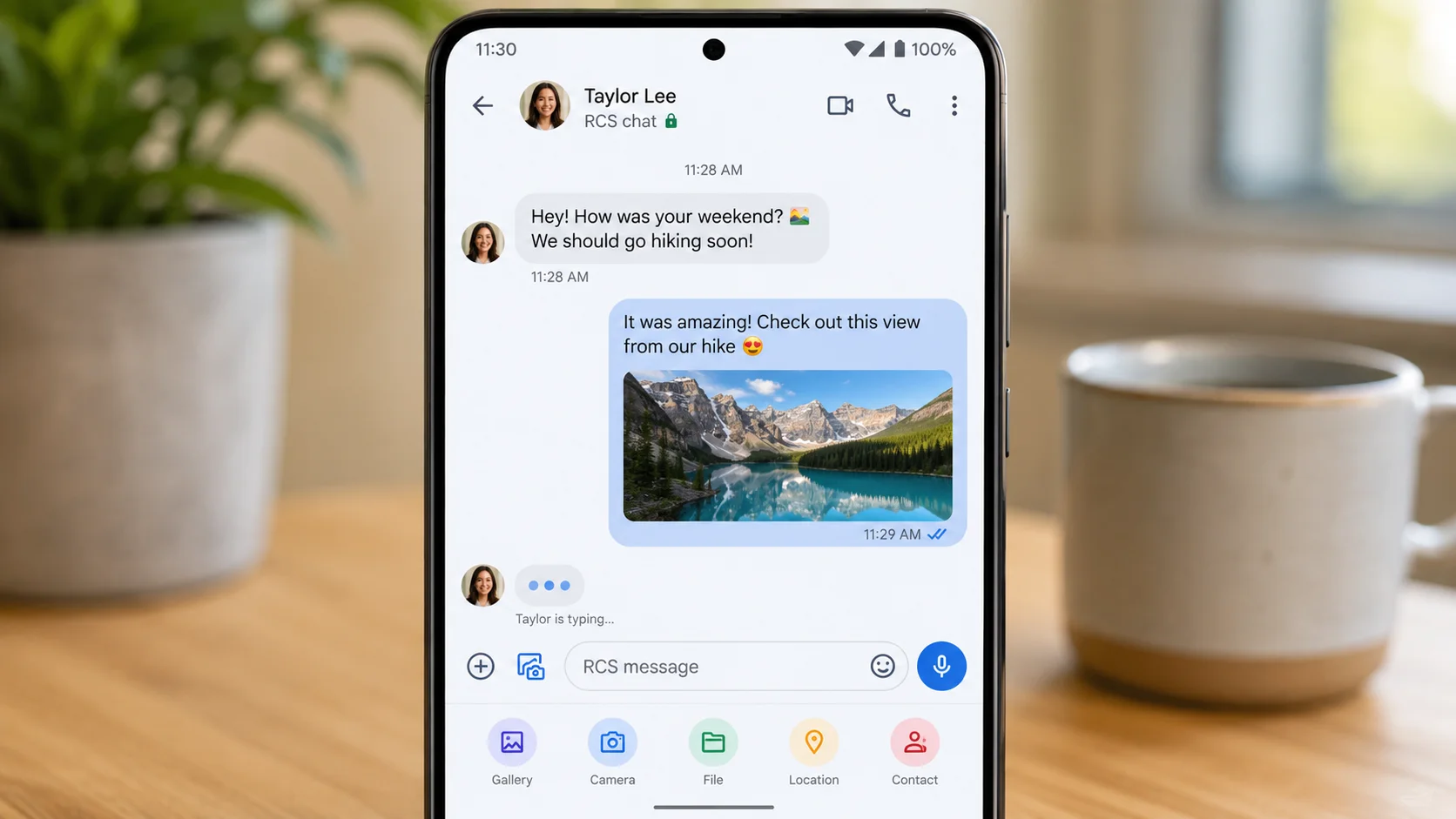
What Does RCS Mean in Text Messages? A Complete Guide for 2026 can be summarized simply: RCS stands for Rich Communication Services, a messaging standard that upgrades traditional texting with modern chat features. In the United States, it is often seen as the successor to SMS, offering read receipts, typing indicators, high-quality media sharing, and enhanced group chats.
TL;DR
• RCS stands for Rich Communication Services.
• It upgrades traditional SMS and MMS texting.
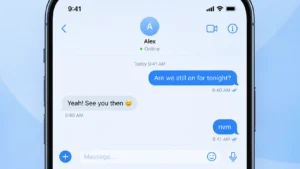
• Supports read receipts and typing indicators.
• Enables higher-quality photos and videos.
• Widely adopted across modern smartphones in 2026.
• Represents the future of carrier-based messaging.
What Is RCS Messaging?
Understanding the Basics
RCS stands for Rich Communication Services. It is a communication protocol designed to modernize standard text messaging.
Unlike SMS, which was created in the early 1990s, RCS supports richer interactions similar to popular messaging apps. It works through internet data connections instead of relying solely on cellular signaling networks.
Key Features of RCS
• Read receipts for sent messages
• Real-time typing indicators
• High-resolution photo sharing
• Improved video transmission
• Enhanced group messaging
• Reactions and message interactions
• Better file-sharing capabilities
For many Americans, RCS feels similar to dedicated messaging apps while remaining integrated into the phone’s default messaging application.
The History of RCS
Early Development
RCS was first proposed during the late 2000s by mobile industry organizations seeking a replacement for aging SMS technology.
At the time, messaging apps were becoming increasingly popular. Traditional carriers wanted a more capable communication standard that could compete with emerging internet-based services.
Growth and Adoption
The rollout was slower than many expected. Different carriers and manufacturers implemented support at different times, creating fragmentation.
However, the situation changed significantly during the 2020s as major technology companies, carriers, and device makers expanded compatibility.
Why Adoption Took Time
• Multiple carrier implementations
• Device compatibility challenges
• Competition from messaging apps
• Regional differences in deployment
• Security improvements required over time
By 2026, RCS has become far more unified and broadly available across the American mobile landscape.
How RCS Differs From SMS and MMS
Comparing Messaging Technologies
Understanding the differences helps explain why RCS has attracted so much attention.
| Feature | SMS | MMS | RCS |
| Character Limits | Limited | Limited | Expanded |
| Read Receipts | No | No | Yes |
| Typing Indicators | No | No | Yes |
| High-Quality Images | No | Limited | Yes |
| Group Chat Features | Basic | Basic | Advanced |
| Internet Connectivity | Not Required | Not Required | Usually Required |
Why the Difference Matters
Traditional SMS was designed for short text exchanges. Modern users often expect features that mirror social messaging platforms.
RCS bridges that gap while remaining tied to a phone number rather than requiring a separate account.
Why RCS Became Important in the United States
The American Messaging Landscape
The United States developed a strong texting culture early. SMS became deeply embedded in personal, professional, and family communication.
As user expectations changed, demand grew for better messaging experiences without forcing everyone onto the same app.
Factors Driving Adoption
• Increased smartphone usage
• Better mobile data availability
• Demand for richer conversations
• Cross-platform communication needs
• Carrier support improvements
Today, many Americans use RCS daily without actively thinking about the technology behind it.
Also Read This :What Does IKR Mean in Text? A Complete Guide to Understanding Modern Slang
What Does RCS Symbolize in Modern Communication?
A Shift Toward Richer Conversations
Although RCS is a technical standard, it also carries symbolic meaning in modern digital culture.
For many users, it represents a move from basic communication toward more expressive interaction.
Common Associations
• Connectivity
• Convenience
• Real-time communication
• Digital modernization
• Improved accessibility
• Platform cooperation
In this sense, RCS symbolizes the evolution of texting from simple information exchange into a more dynamic social experience.
The Psychology Behind RCS Features
Why Read Receipts Matter
Read receipts create transparency. People can see when a message has been viewed, reducing uncertainty.
However, they can also create social expectations regarding response times.
The Impact of Typing Indicators
Typing indicators introduce a sense of immediacy. They signal that a response is actively being prepared.
This often makes conversations feel more natural and conversational.
Emotional Effects of RCS
• Greater conversational engagement
• Reduced uncertainty
• Faster social feedback
• Enhanced sense of connection
• Increased communication expectations
These features influence how people perceive relationships and digital interactions.
Privacy and Security Considerations
Is RCS Secure?
Security remains one of the most discussed aspects of RCS.
Modern implementations increasingly support encryption and other protections. However, security features can vary depending on devices, messaging apps, and communication partners.
Common Privacy Questions
• Who can see message content?
• Are conversations encrypted?
• How is data stored?
• What metadata is collected?
• Which app handles the messages?
Because technology continues to evolve, users should review privacy settings and messaging app documentation regularly.
RCS and Cross-Platform Messaging
Breaking Traditional Barriers
One of the biggest goals of RCS has been improving communication between different smartphone ecosystems.
Historically, users often experienced different messaging capabilities depending on device type.
Benefits of Greater Compatibility
• Better media sharing
• Improved group conversations
• Consistent messaging experiences
• Reduced message degradation
• Fewer communication barriers
This trend has helped make messaging more seamless for American users.
How Businesses Use RCS
Beyond Personal Conversations
RCS is not limited to friends and family communication. Businesses increasingly use it for customer engagement.
Enhanced messaging features create more interactive experiences than traditional text alerts.
Common Business Applications
• Appointment reminders
• Delivery updates
• Customer support chats
• Event notifications
• Promotional campaigns
• Verification messages
Many organizations see RCS as a way to provide more useful and visually engaging communications.
RCS in Social and Digital Culture
The Rise of Messaging Expectations
As communication tools evolve, social norms change alongside them.
Features once considered advanced are now often expected by users.
Modern Cultural Associations
• Instant connectivity
• Digital convenience
• Continuous availability
• Mobile-first lifestyles
• Visual communication
• Faster interaction cycles
RCS reflects broader cultural trends toward richer and more responsive digital experiences.
Common Misunderstandings About RCS
Myth: RCS Is a Messaging App
Many people believe RCS is an app. In reality, it is a messaging standard.
Different applications can support the same RCS technology.
Myth: RCS Replaces the Internet
RCS depends heavily on internet connectivity for many of its advanced features.
Without data access, conversations may fall back to SMS or MMS.
Myth: Every Device Supports It Equally
Support continues to improve, but features can still vary depending on devices, software versions, and messaging platforms.
How RCS Has Changed Over Time
From Industry Concept to Mainstream Tool
The original vision of RCS focused on enhancing carrier messaging.
Over time, the technology adapted to changing user expectations and competitive pressures.
Major Evolution Points
• Better media support
• Expanded device compatibility
• Improved security features
• Greater carrier cooperation
• Enhanced user experiences
What began as a technical upgrade gradually became a central part of modern messaging infrastructure.
The Future of RCS Beyond 2026
Where Messaging Is Headed
Messaging technologies continue to evolve. Future developments will likely focus on greater interoperability, stronger security, and richer communication experiences.
Artificial intelligence, business messaging tools, and enhanced multimedia capabilities may also shape future updates.
Potential Future Trends
• Smarter messaging assistants
• Enhanced encryption systems
• Interactive business conversations
• Richer media experiences
• Improved accessibility features
• Deeper cross-platform compatibility
While the exact path remains uncertain, RCS appears positioned to remain a major part of digital communication.
FAQs
What does RCS stand for in text messages?
RCS stands for Rich Communication Services. It is a messaging standard designed to provide advanced features beyond traditional SMS and MMS.
Is RCS better than SMS?
RCS generally offers more features, including read receipts, typing indicators, and higher-quality media sharing. However, SMS remains useful because it works on virtually all mobile phones.
Does RCS require internet access?
Most advanced RCS features rely on a mobile data or Wi-Fi connection. If internet access is unavailable, messages may revert to SMS or MMS.
Is RCS free to use?
RCS typically uses your mobile data or Wi-Fi connection. Costs depend on your data plan rather than per-message texting charges.
Can iPhone and Android users use RCS together?
Cross-platform RCS support has expanded significantly, improving communication between different smartphone ecosystems and reducing feature disparities.
Is RCS replacing SMS completely?
Not entirely. SMS remains a universal fallback technology. However, RCS is increasingly becoming the preferred messaging experience on supported devices.
Conclusion
RCS represents one of the most important upgrades to mobile messaging since the introduction of SMS. It brings modern features such as read receipts, typing indicators, richer media sharing, and enhanced group conversations into the default texting experience many Americans use every day.Understanding What Does RCS Mean in Text Messages? A Complete Guide for 2026 helps clarify why this technology matters. While it began as a technical effort to modernize texting, it has grown into a symbol of how communication continues to evolve in a connected world.